Restaurant operators track food cost every week.
But far fewer understand why their food cost is what it is — or whether their menu is helping or hurting their ability to hit their targets.
That’s where menu analysis comes in.
Menu analysis provides a data-driven way to understand how your menu pricing, recipes, and sales mix work together to impact profitability. When used correctly, it becomes one of the most powerful tools inside a restaurant cost control software system.
Understanding Menu Analysis
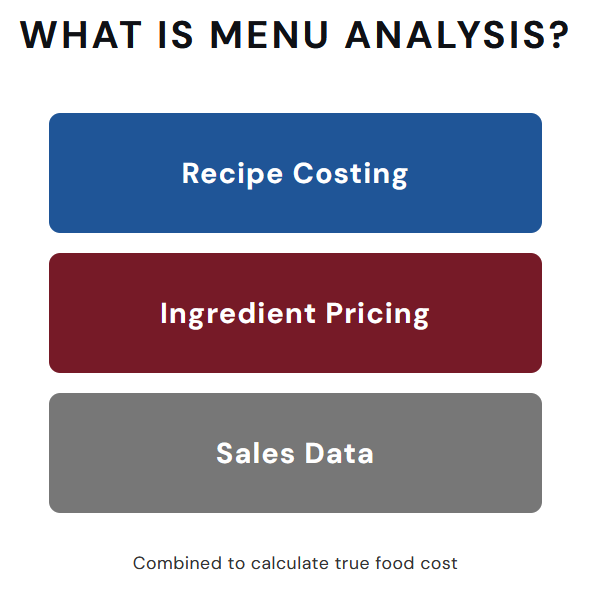
Menu analysis is the process of combining:
- Recipe costing
- Ingredient pricing
- Sales data
to calculate your true theoretical food cost.
Instead of looking at food cost as a single percentage, menu analysis breaks performance down to the item level — showing you exactly which dishes are driving your numbers.
This allows operators to move beyond surface-level reporting and understand what’s really happening inside their operation.
Menu Mix vs. One Factor: Two Ways to Analyze Your Menu
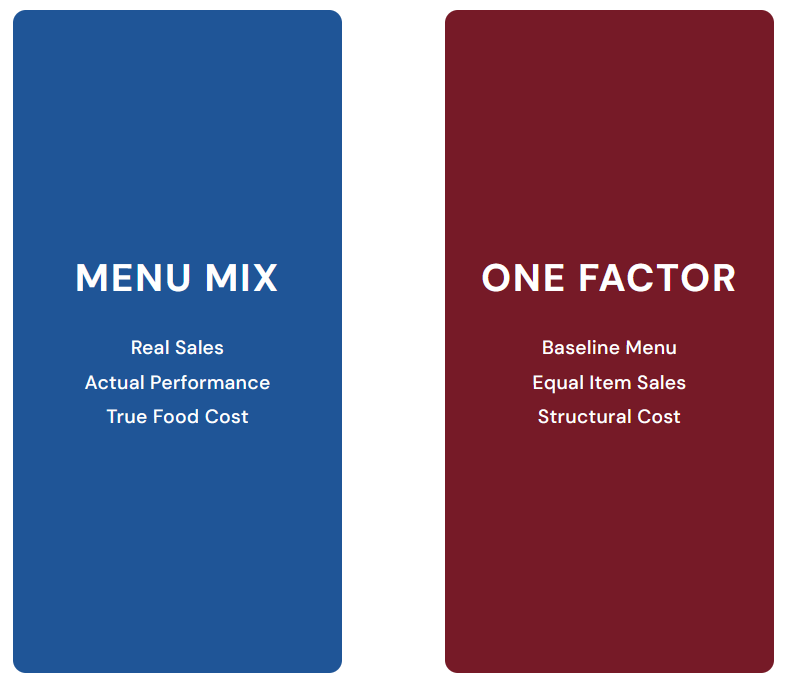
Menu analysis gives you two perspectives on your performance:
Menu Mix (Real-World Performance)
This reflects your actual sales.
If one item sells significantly more than others, it has a greater impact on your overall food cost.
This is your true operational reality — what your menu is doing today.
Why Most Restaurants Struggle to Hit Their Food Cost
One of the most important insights menu analysis provides is this:
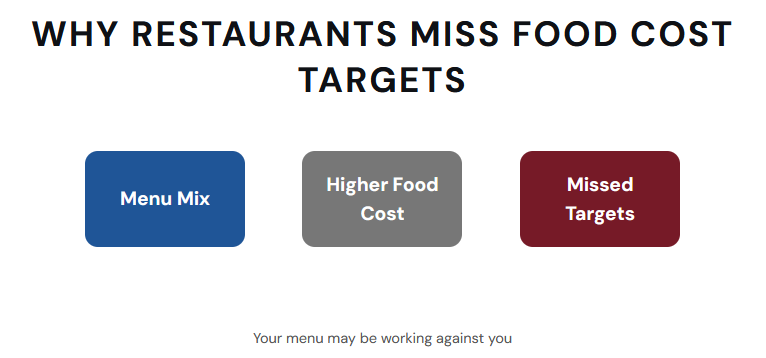
You may be trying to hit a number that your menu cannot achieve.
For example:
- Your target food cost is 29%
- Your menu mix calculates to 32%
That means no matter how well you run your operation, you will not hit your target—because your menu is working against you.
This is not an execution issue. It’s a menu design and mix issue.
How NxtEdge Menu Analysis Works
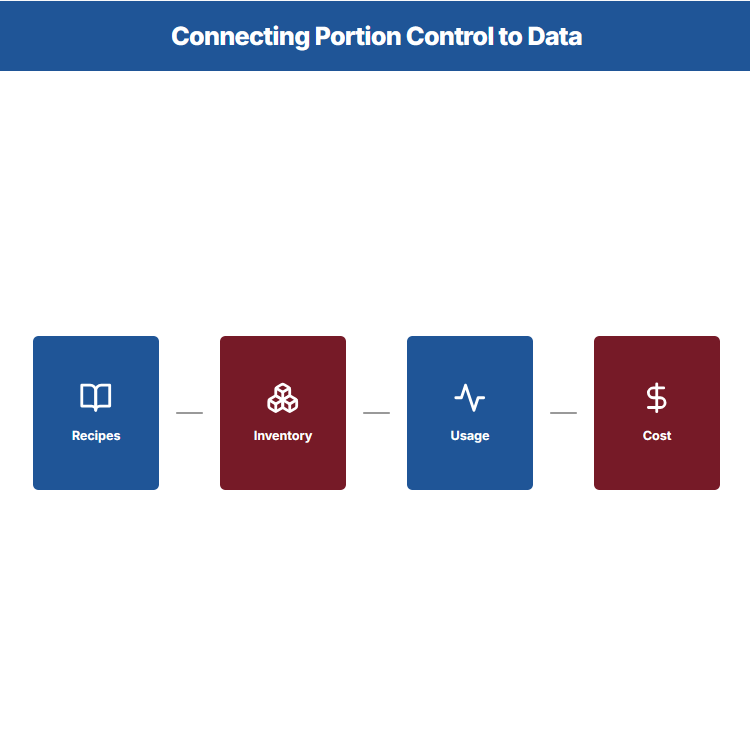
NxtEdge brings together the data you already have:
- Recipes built in the system (or imported)
- Ingredient pricing updated automatically through invoice automation or manually via Excel
- Sales data from POS integrations or product mix reports sent by email
This allows you to run menu analysis:
- Fully automated
- Fully manual
- Or anywhere in between
You do not need to adopt every feature in the system to get value from menu analysis.
How to Use Menu Analysis to Improve Profitability
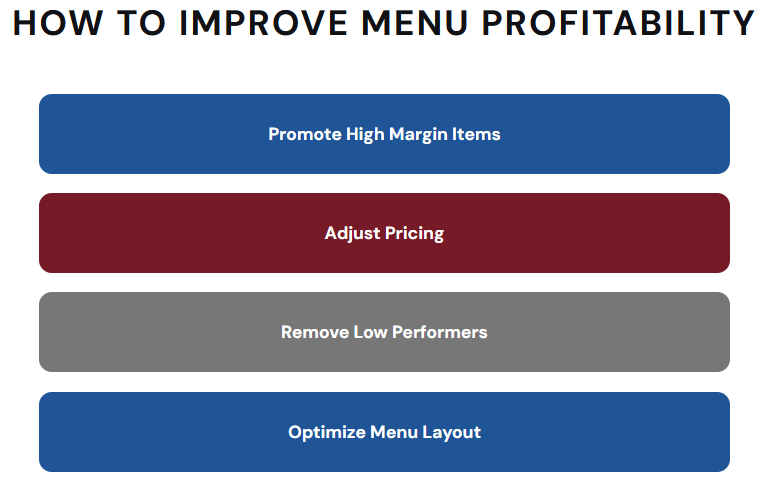
Once you understand your menu analysis, you can take action:
- Promote high-margin items
- Adjust pricing where needed
- Rework or remove low-performing items
- Improve menu layout and placement
- Run contests or incentives to shift sales behavior
The goal is not just to measure your food cost—but to control it through better decisions.
Key Advantages
- Understand true food cost based on real sales mix
- Identify high and low margin menu items
- Compare menu design vs. actual performance
- Flexible setup with manual or automated data inputs
- Works with or without full system adoption
- Supports both POS integrations and emailed product mix reports