
April 29, 2026
Learn How Contribution Margin Drives Smarter Menu Decisions
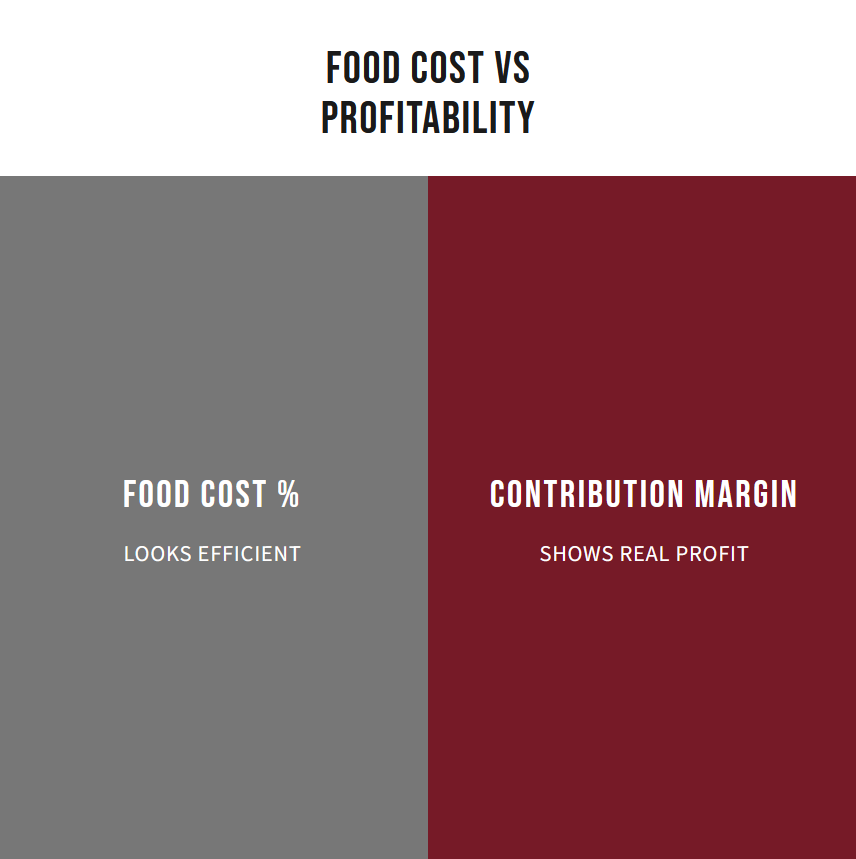
Most restaurants evaluate performance using food cost percentage.
While that’s important, it doesn’t tell the full story.
Two menu items can have the same food cost percentage but very different impacts on profitability. That’s because what really matters is how much money each item contributes to your bottom line.
That’s where contribution margin comes in.
Contribution margin shows how much profit each dish generates after covering its food cost. When used alongside menu costing, it becomes one of the most powerful tools inside a restaurant cost control software system.
What Is Contribution Margin?
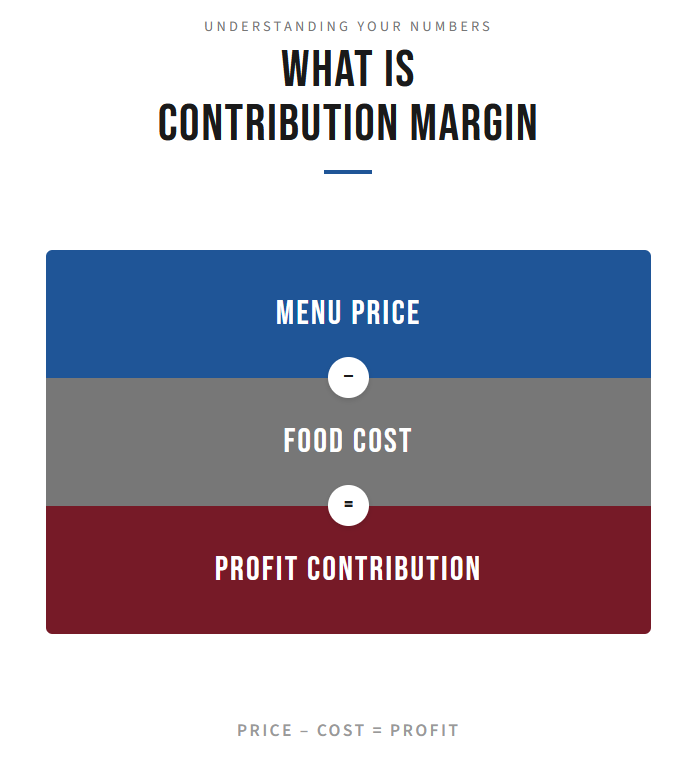
Contribution margin is the difference between:
Menu Price – Food Cost = Contribution Margin
For example:
- Dish price: $20
- Food cost: $8
- Contribution margin: $12
This $12 is what contributes toward labor, overhead, and profit.
Focusing only on food cost percentage might lead you to remove items that are actually highly profitable.
Contribution margin helps you see the bigger picture.
Why Restaurants Misjudge Menu Performance
Without contribution margin, operators often make decisions based on incomplete data.
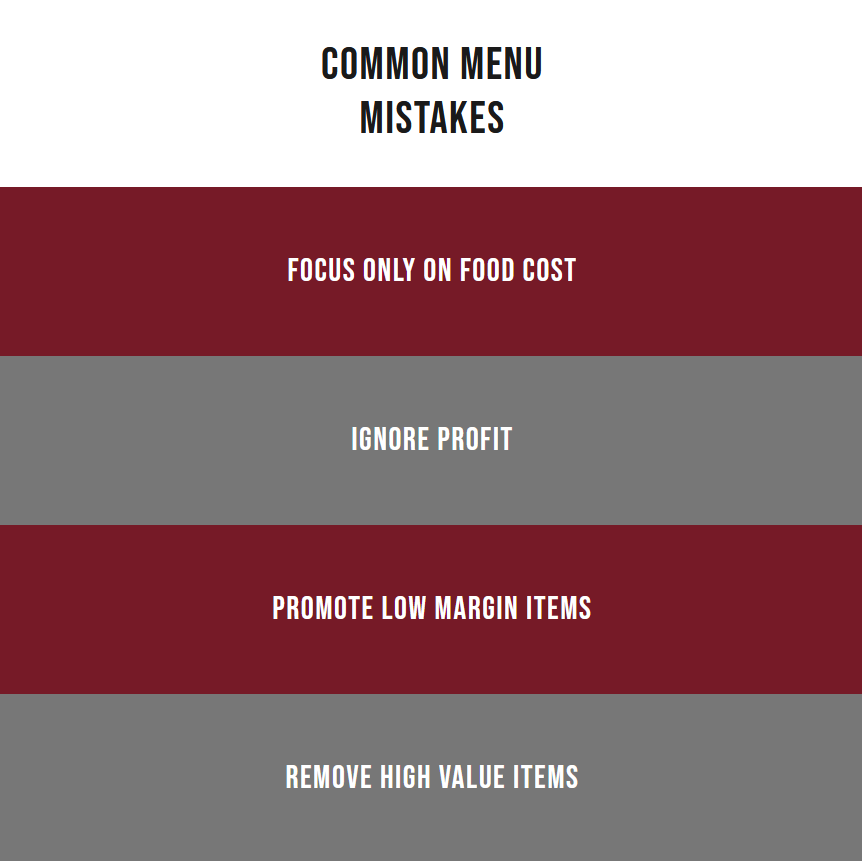
Common mistakes include:
- Removing items with higher food cost but strong profitability
- Promoting low-margin items that sell frequently
- Ignoring high-margin opportunities
- Pricing items without understanding profit impact
These decisions can reduce profitability even when food cost appears controlled.
How Contribution Margin Improves Menu Costing
Menu costing tells you what an item costs.
Contribution margin tells you what it earns.
When combined, they allow operators to:
- Identify high-profit menu items
- Balance pricing and profitability
- Optimize menu mix
- Improve overall margins
This is where restaurant cost control software becomes critical — it connects pricing, cost data, and sales performance in one system.
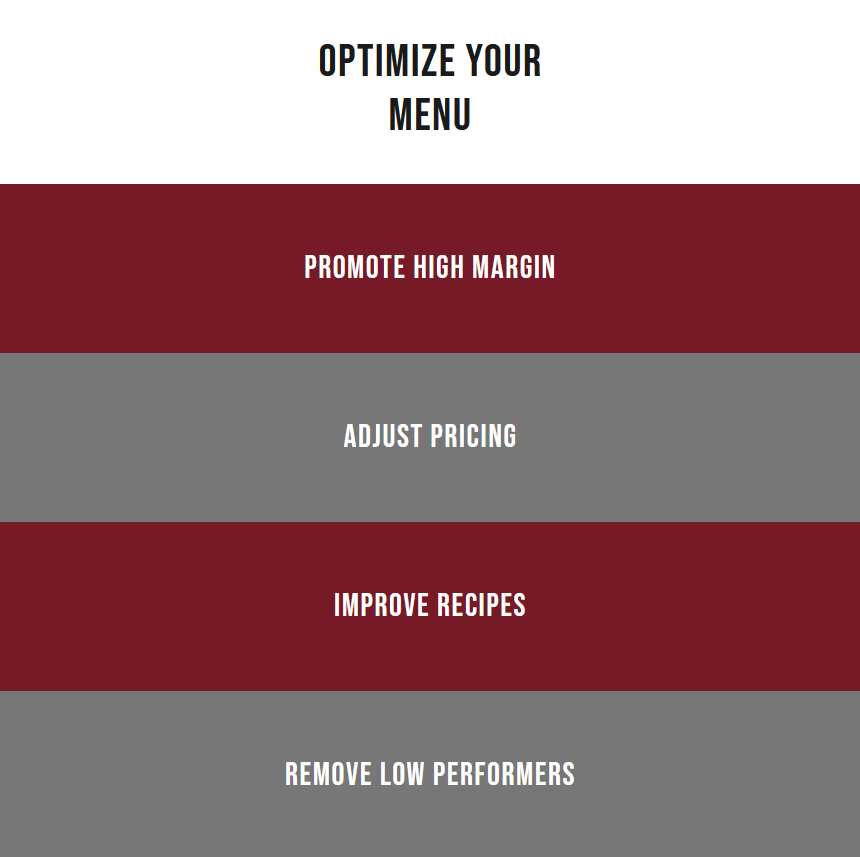
Using Contribution Margin to Optimize Your Menu
Once you understand contribution margin, you can take action:
Promote High-Margin Items
Encourage sales of dishes that generate the most profit.
Adjust Pricing Strategically
Small price changes on high-volume items can significantly impact margins.
Rework Low-Margin Items
Modify recipes, portion sizes, or ingredients to improve profitability.
Remove Underperforming Items
If an item has low demand and low margin, it may be hurting your menu.
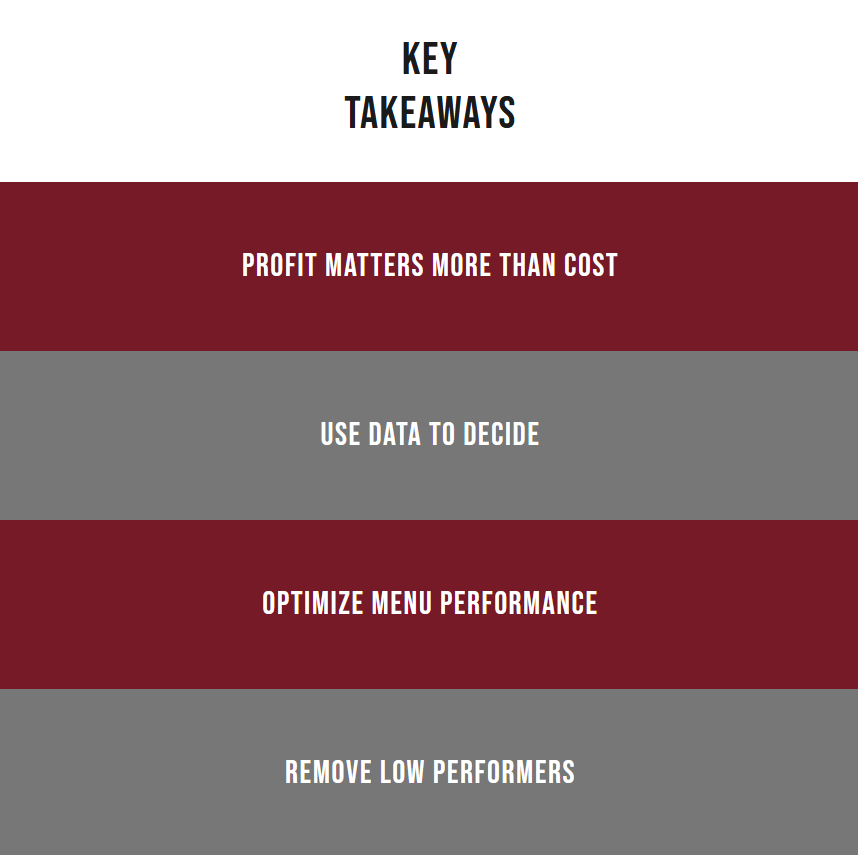
Contribution margin helps you move from guessing to making data-driven decisions.
How NxtEdge Helps You Analyze Contribution Margin
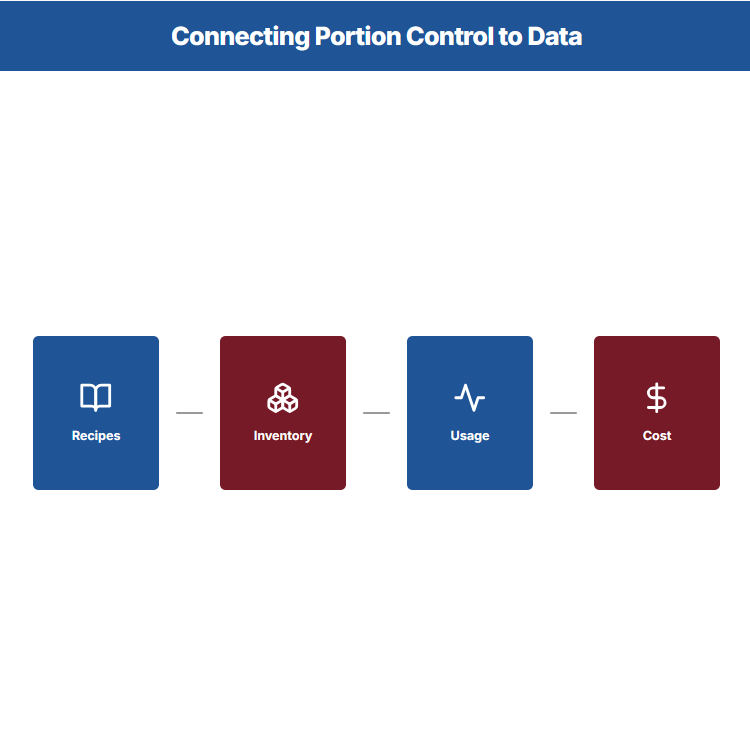
NxtEdge is a restaurant cost control software platform that connects menu costing with real operational data.
With NxtEdge, operators can:
- Track real ingredient costs from invoices
- Maintain accurate recipe costing
- Combine sales data with menu performance
- Analyze contribution margin by item
- Identify opportunities to improve profitability
This gives operators a complete view of how their menu is performing — not just in cost, but in profit.
Key Advantages
• Contribution margin shows true profitability per item
• Food cost percentage alone is not enough
• High-margin items should drive menu strategy
• Menu costing and contribution margin must work together
• Restaurant cost control software connects all data points
Start making smarter menu decisions. Request your demo at NxtEdge.com.