

March 31, 2026
Learn How Budget Ordering Prevents Overspending in Restaurants
Controlling food cost is one of the most important responsibilities in restaurant operations. While many operators focus on pricing and inventory, one of the most effective ways to control costs happens earlier in the process — during purchasing.
Without clear structure, ordering decisions are often made based on habit, urgency, or incomplete information. This leads to over-ordering, unnecessary spending, and increased food cost.
That’s why more restaurants are implementing budget ordering within restaurant cost control software to bring discipline and visibility to purchasing decisions.
Budget ordering allows operators to set spending expectations, track purchases in real time, and prevent overspending before it happens.
Why Restaurants Overspend on Purchasing
Overspending often occurs not because of a single decision, but because of small, repeated purchasing behaviors.
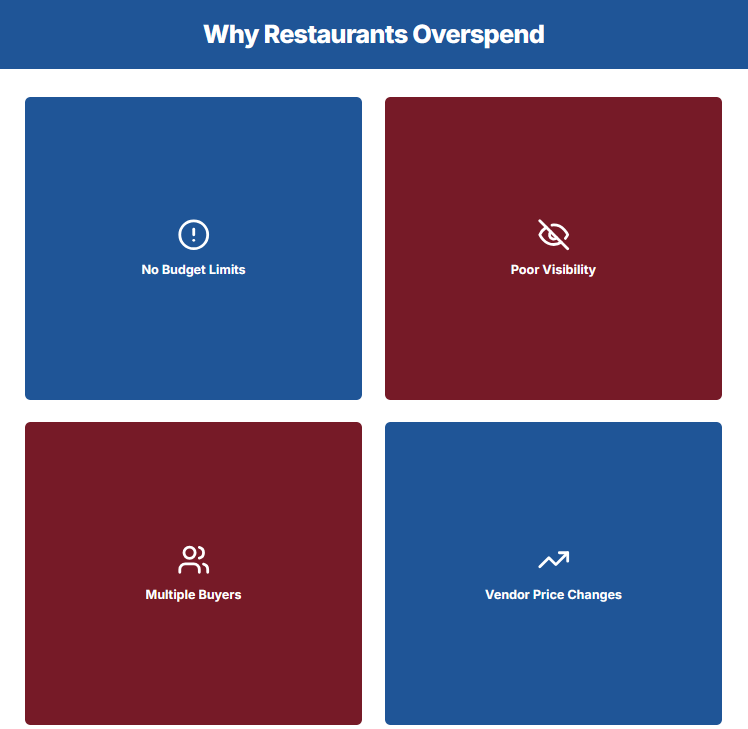
Common causes include:
- Ordering without clear budget limits
- Lack of visibility into current spending
- Multiple team members placing orders independently
- Vendor price changes not being considered
- Over-ordering due to uncertainty or lack of planning
These issues compound over time and increase food cost without being immediately noticeable.
Budget ordering introduces structure to prevent these inefficiencies.
What Is Budget Ordering?
Budget ordering is the process of setting spending targets for purchasing and monitoring orders against those targets in real time.
Instead of reviewing costs after the fact, budget ordering allows operators to control spending at the moment purchasing decisions are made.
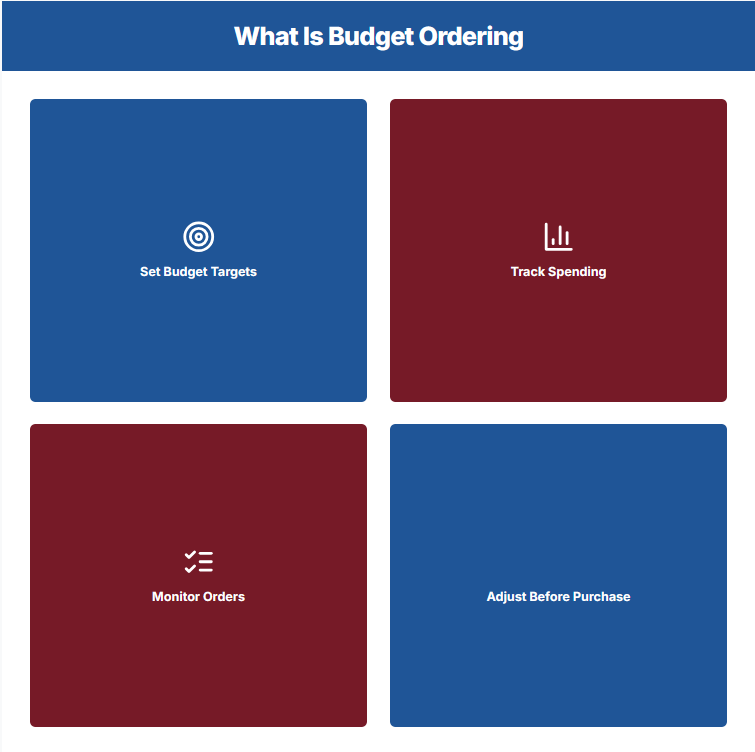
With budget ordering, restaurants can:
- Set purchasing budgets by category or vendor
- Track spending as orders are created
- Identify when orders exceed expected limits
- Adjust purchasing decisions before placing orders
This approach shifts cost control from reactive to proactive.
How Budget Ordering Improves Purchasing Control
Purchasing control is critical to maintaining consistent food cost percentages.
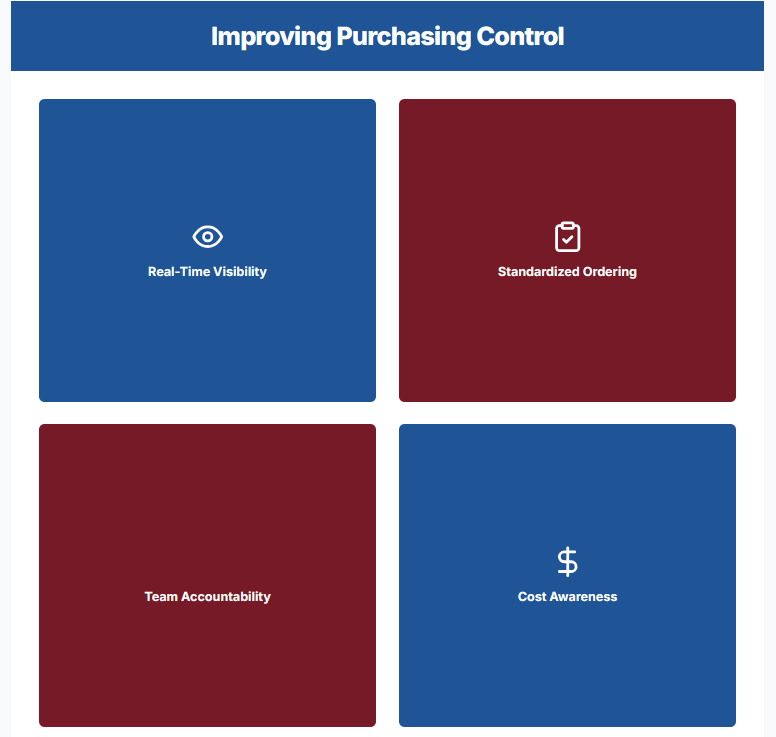
Budget ordering helps operators maintain control by:
- Providing visibility into current spending
- Creating accountability across purchasing teams
- Standardizing ordering processes
- Preventing unnecessary or duplicate orders
When purchasing decisions are guided by real-time data and budget expectations, restaurants can operate more efficiently and reduce cost variability.
Connecting Budget Ordering to Food Cost Control
Food cost is directly impacted by how purchasing decisions are made.
Budget ordering ensures that spending stays aligned with operational needs and revenue expectations.
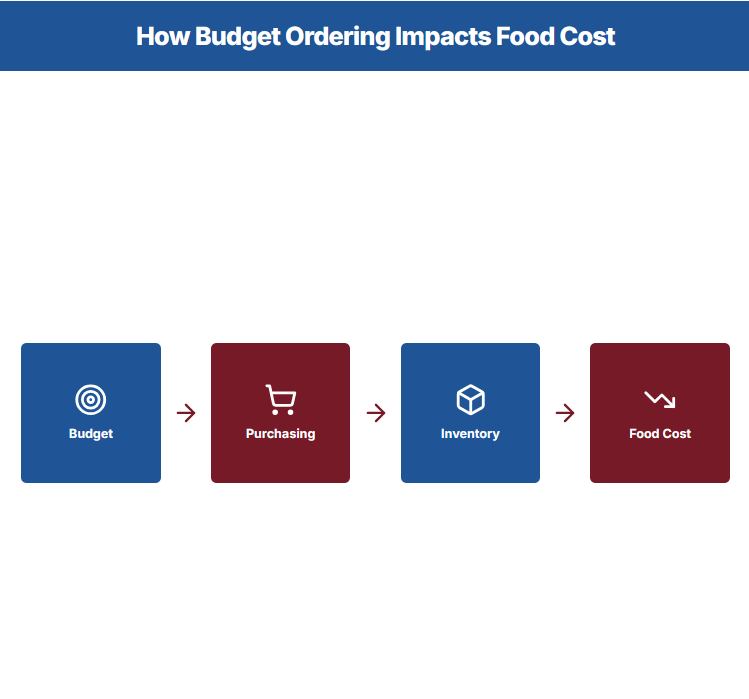
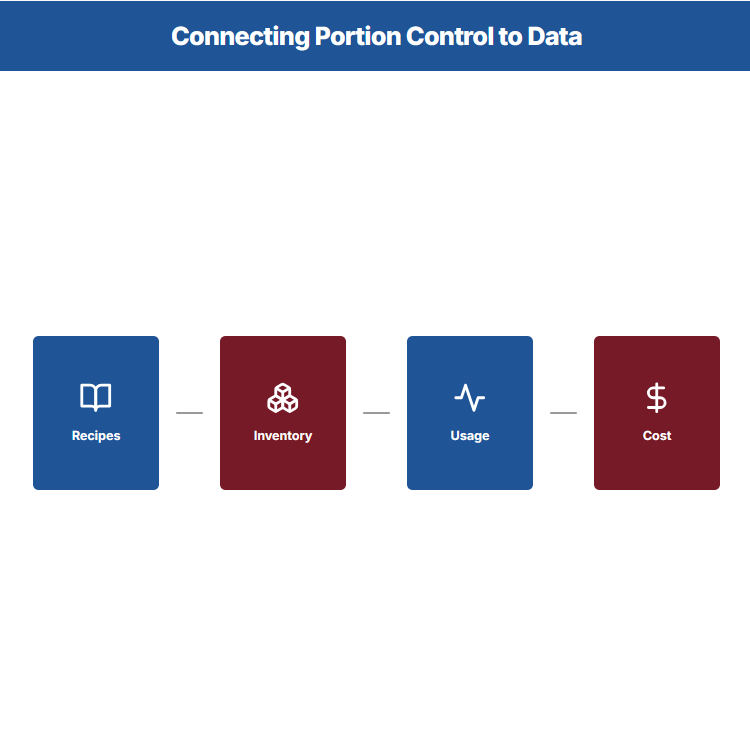
When combined with restaurant cost control software, budget ordering connects purchasing data with vendor pricing, inventory usage, and financial reporting.
This allows operators to:
- Monitor food cost trends in real time
- Align purchasing with sales volume
- Reduce excess inventory and waste
- Maintain consistent margins
By controlling purchasing at the source, restaurants can stabilize food cost across the entire operation.
How NxtEdge Supports Budget Ordering
NxtEdge is a restaurant cost control software platform that helps operators manage purchasing with greater precision.
With NxtEdge, teams can:
- Set purchasing budgets by category or location
- Track spending during the ordering process
- Compare vendor pricing before purchasing
- Identify potential overspending before orders are placed
- Maintain full visibility into purchasing activity
This integrated approach helps restaurants reduce food cost while improving operational discipline.
Why Budget Ordering Matters
Overspending rarely happens all at once — it happens gradually through small purchasing decisions.
Without visibility and control, these decisions can increase food cost and reduce profitability over time.
Budget ordering provides the structure needed to manage purchasing proactively and maintain financial discipline.
It allows restaurants to control costs before they impact the bottom line.
Key Takeaways
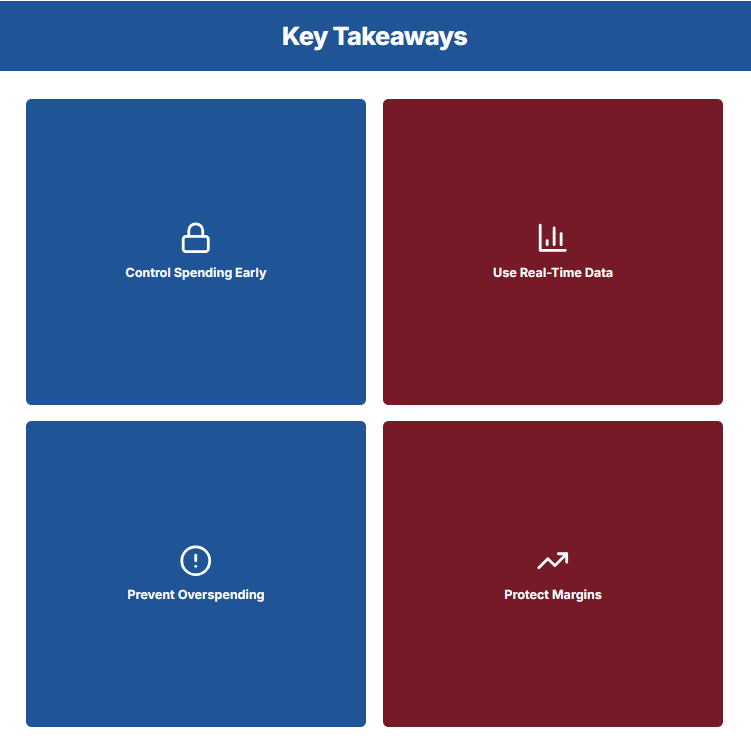
• Budget ordering helps prevent overspending during purchasing
• Lack of purchasing control leads to higher food cost
• Real-time visibility improves decision-making
• Structured ordering processes reduce inefficiencies
• Restaurant cost control software connects budgets with purchasing and cost data
Take control of your purchasing. Request your demo at NxtEdge.com.
