Vendor pricing doesn’t stay still. Proteins fluctuate weekly. Produce shifts seasonally. Dairy and dry goods respond to supply chain pressure. When operators don’t actively monitor price changes, purchasing budgets begin to drift — often without anyone noticing.
A 3–5% price increase on high-volume items may not feel significant on a single invoice. But multiplied across weeks, categories, and locations, those increases compound quickly.
Budget ordering only works if pricing visibility is part of the process.
What a Strong Weekly Purchasing Budget Includes
A weekly budget should be built using data — not last month’s guess.
Here are the three core inputs:
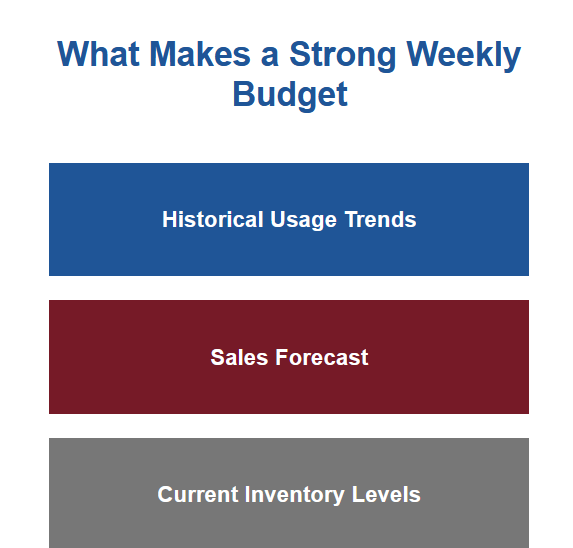
1. Historical Usage Trends
Review weekly consumption for the past 4–8 weeks by category.
2. Sales Forecast
Project expected sales for the upcoming week, adjusting for events, promotions, and seasonality.
3. Current Inventory Levels
Accurate on-hand counts ensure you don’t budget for items already in stock.
When these inputs are aligned, the weekly purchasing budget becomes realistic and actionable.
The Hidden Cost of Ignoring Price Volatility
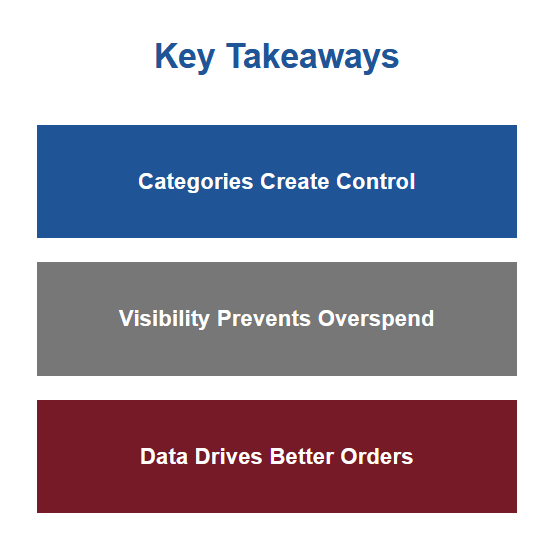
When vendor price changes go unchecked:
- Weekly purchasing budgets become inaccurate
- Managers unintentionally overspend
- Food cost percentages creep upward
- Menu margins shrink
- Forecasting becomes unreliable
Most operations don’t struggle with ordering discipline — they struggle with price awareness.
Without real-time visibility, purchasing becomes reactive instead of strategic.
Where Price Volatility Hits the Hardest
Vendor price shifts most often impact:
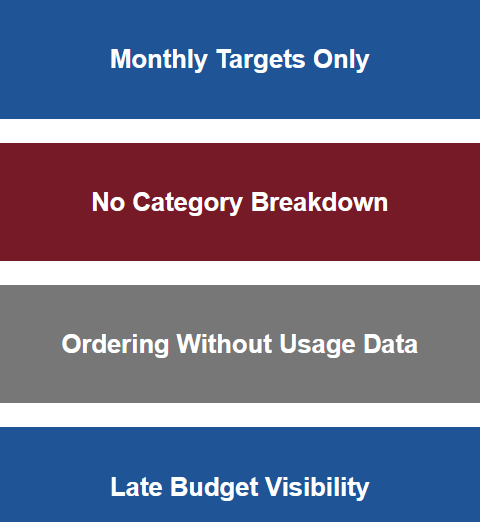
Proteins
Beef, seafood, and poultry fluctuate frequently and carry the highest margin impact.
Produce
Seasonal swings create unpredictable cost shifts week to week.
Dairy
Small per-unit changes scale quickly due to high volume usage.
Specialty and Imported Items
These are highly sensitive to supply chain changes.
Operators who monitor these categories closely can adjust budgets proactively.
How to Protect Your Purchasing Budget from Price Swings
Budget protection requires visibility and structure:
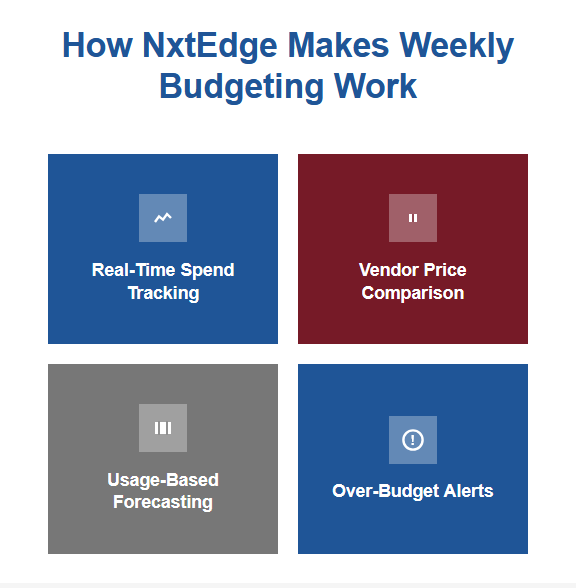
1. Compare Vendors Before Ordering
Even minor price differences between vendors add up across volume.
2. Review Historical Price Trends
Track which items consistently fluctuate.
3. Adjust Category Budgets Weekly
Budgets should reflect real-time pricing conditions.
4. Update Recipe and Menu Costing
When ingredient costs rise, menu pricing strategy may need evaluation.
5. Use Alerts Instead of Manual Checks
Waiting until month-end to review pricing is too late.
When price awareness becomes part of weekly purchasing, budget control strengthens immediately.
Key Takeaways
- Vendor price volatility directly impacts purchasing budgets.
- Small price increases compound quickly across high-volume categories.
- Budget ordering must include real-time pricing visibility.
NxtEdge integrates vendor comparison and price tracking into the ordering process.
Bring stability to your purchasing process. Request your demo at NxtEdge.com.