
March 24, 2026
Learn How Restaurants Reduce Food Costs with Cost Control Software
Food cost is one of the largest and most volatile expenses in restaurant operations. Even small increases in ingredient pricing, portion inconsistencies, or purchasing inefficiencies can quickly impact profitability.
That’s why operators are turning to restaurant cost control software to gain better visibility into spending and make more informed decisions.
By connecting purchasing, vendor pricing, invoices, and inventory data, cost control software helps restaurants move from reactive cost management to proactive food cost control.
Why Food Cost Control Is So Difficult
Controlling food cost requires more than monitoring expenses at the end of the month. Restaurants deal with constant changes that make cost management challenging:
- Vendor price fluctuations
- Seasonal ingredient availability
- Inconsistent portioning
- Inventory variances
- Last-minute purchasing decisions
Without a system that connects these variables, operators often don’t realize costs are increasing until it’s too late.
Restaurant cost control software provides real-time visibility into these factors so teams can act earlier.
How Restaurant Cost Control Software Reduces Food Costs
Cost control software gives operators the tools needed to manage food costs more effectively across the entire operation.
Vendor Price Visibility
Ingredient prices can vary significantly between vendors and change frequently.
Restaurant cost control software allows operators to compare vendor pricing, track price trends, and choose the most cost-effective supplier before placing an order.
This ensures purchasing decisions are based on real data, not assumptions.
Accurate Menu Costing
Menu costing is the foundation of food cost control.
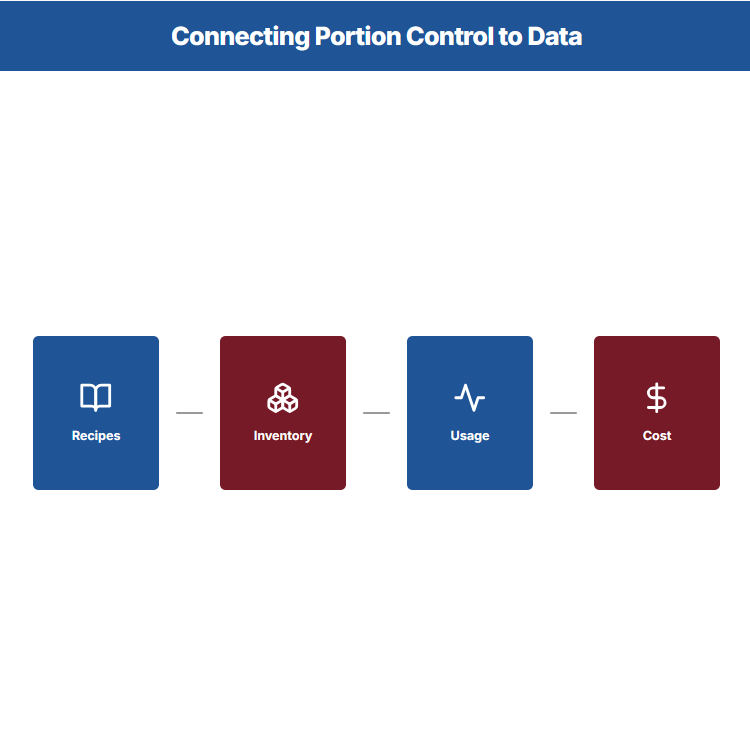
By connecting real-time ingredient pricing with recipes, restaurant cost control software ensures that menu costs reflect current vendor prices.
This allows operators to:
- Update menu pricing based on real costs
- Identify high-cost or low-margin items
- Maintain consistent food cost percentages
Accurate menu costing helps protect margins and supports better pricing decisions.
Inventory and Usage Tracking
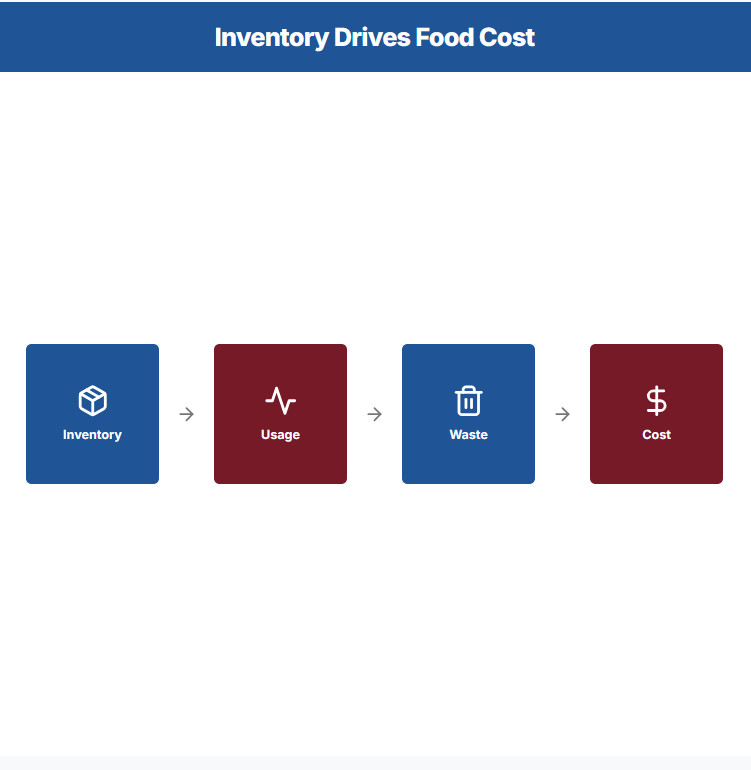
Inventory plays a critical role in controlling food cost.
Restaurant cost control software tracks inventory levels, usage patterns, and cost trends so operators can identify discrepancies between expected and actual usage.
This helps detect:
- Waste and spoilage
- Over-portioning
- Theft or shrinkage
- Over-ordering
With better inventory visibility, restaurants can reduce unnecessary costs and improve operational efficiency.
Invoice Automation and Cost Accuracy
Invoices reflect actual purchasing activity, but manual processing often leads to delays and errors.
Restaurant cost control software automates invoice capture and coding using OCR technology, ensuring that cost data is accurate and up to date.
This allows operators to:
- Track real ingredient costs
- Monitor spending trends
- Maintain accurate financial records
Accurate invoice data ensures that all cost calculations are based on real numbers.
Why Real-Time Data Matters
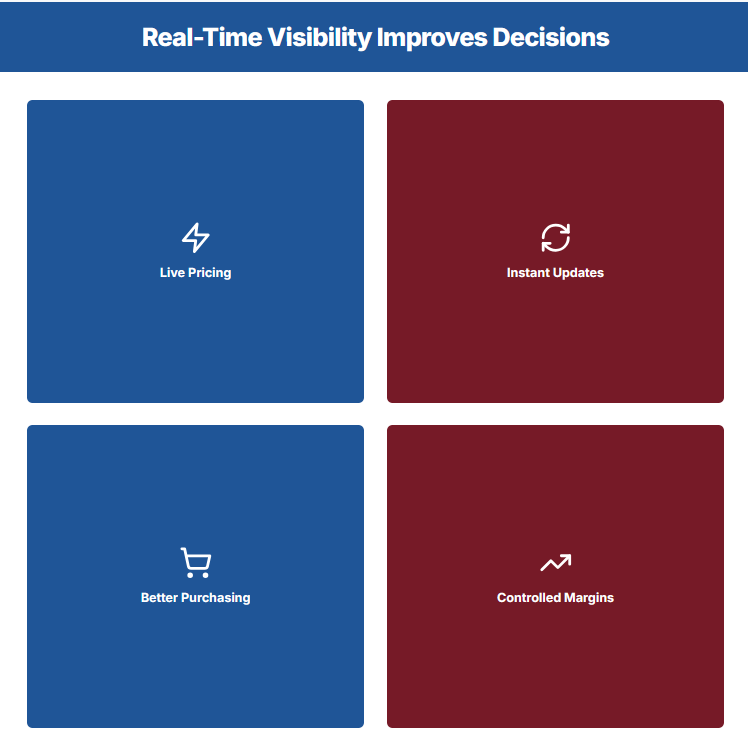
Food cost control is most effective when operators can see what is happening in real time.
Instead of waiting for monthly reports, restaurant cost control software provides immediate insight into purchasing decisions, cost changes, and inventory usage.
This allows teams to:
- Adjust purchasing before costs increase
- Identify issues early
- Maintain consistent margins
Real-time visibility turns cost control into an ongoing operational process.
How NxtEdge Helps Restaurants Control Food Costs
NxtEdge is a restaurant cost control software platform designed to connect every part of the cost control workflow.
With NxtEdge, operators can:
- Compare vendor pricing before ordering
- Automate invoice processing and data entry
- Track inventory and usage patterns
- Maintain accurate menu costing
- Monitor food cost in real time
This integrated approach allows restaurants to reduce food costs while improving operational efficiency.
Key Takeaways
• Food cost control requires visibility across purchasing, inventory, and pricing
• Vendor price comparison helps reduce ingredient costs
• Accurate menu costing is essential for protecting margins
• Inventory tracking helps identify waste and overuse
• Restaurant cost control software connects all cost drivers into one system
Take control of your food costs. Request your demo at NxtEdge.com.