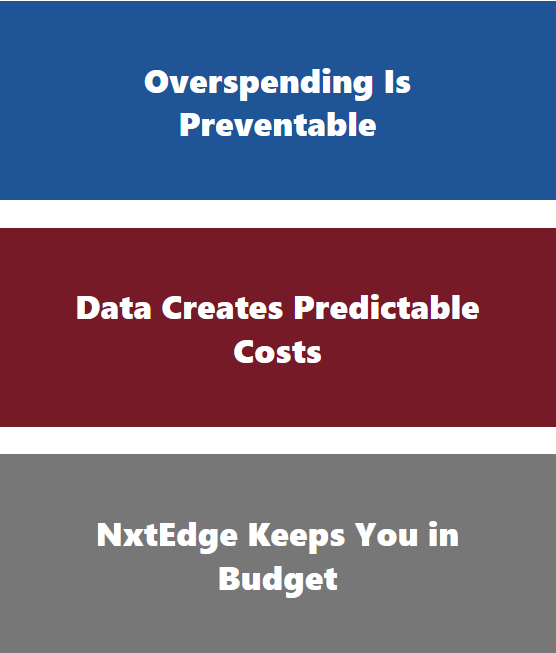
Food and beverage spending adds up fast — especially when operators are placing orders under pressure, without visibility into actual usage or current vendor pricing. Overspending rarely happens in one big mistake. It’s the result of small, repeated decisions made without the right information.
Whether it’s ordering “just in case,” missing a vendor price increase, or buying more than usage trends support, overspending is a silent margin killer.
With the right tools and workflows, operators can prevent overspending before it happens — not after the invoice arrives.
Why Overspending Is So Hard to Catch
Most operators don’t realize they’ve overspent until:
-
Month-end statements come in
-
Food cost spikes unexpectedly
-
Variances appear in inventory
-
Cash flow tightens
-
Accounting flags inconsistencies
By the time overspending is visible, the damage is already done.
Overspending happens because operators often lack:
-
Live vendor pricing
-
Clear category budgets
-
Usage-based forecasts
-
Real-time inventory levels
-
Alerts when orders exceed limits
NxtEdge brings these together so teams can stay ahead of cost creep.
The Most Common Causes of Overspending
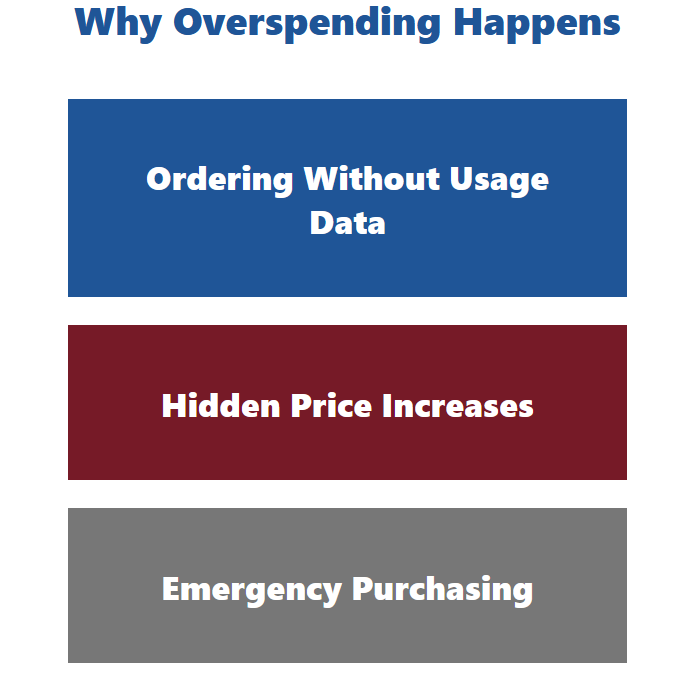
Overspending usually comes from operational habits — not poor intentions. Key drivers include:
1. Ordering Without Checking Usage
If teams reorder based on “what they think they need,” over-ordering becomes the norm.
2. Not Noticing Price Increases
Vendors adjust pricing frequently, and increases buried in PDFs often go unnoticed.
3. Lack of Category-Level Budgets
Operators need to know not just total spend — but how much each category should consume.
4. Emergency or Last-Minute Orders
Rushed ordering leads to premium costs and quantity overshoot.
5. No Cross-Shift Communication
One manager orders today… another orders again tomorrow.
NxtEdge helps operators correct these issues automatically.
How to Prevent Overspending Before It Happens
Operators can stop overspending by shifting from reactive to proactive purchasing.
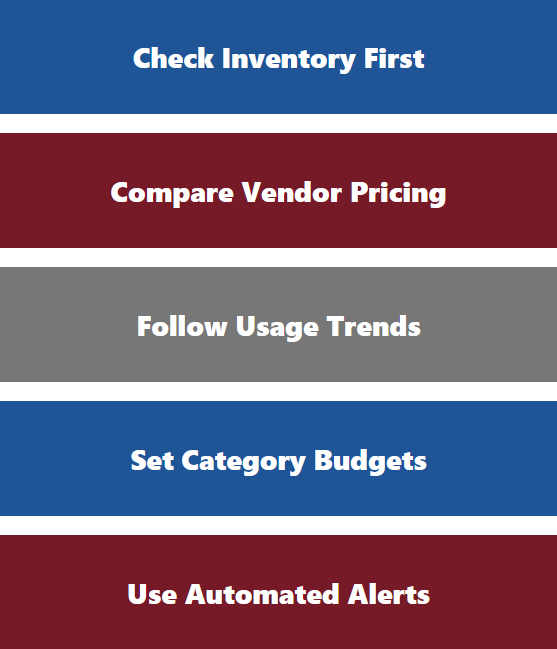
1. Start With Real-Time Inventory Levels
If you don’t know what you have, you will always overspend.
2. Compare Vendor Pricing Before Ordering
A 5–10% difference per item compounds quickly across high-volume categories.
3. Use Weekly Usage Trends to Guide Quantities
Let the data tell you exactly how much to buy — not memory.
4. Set Category Budgets and Stick to Them
Break budgets into proteins, produce, dairy, bar, and dry goods to maintain control.
5. Review Events and Specials Before Ordering
Big events distort usage patterns — forecasting prevents surprises.
6. Use Automation for Alerts
Let software notify you before an order exceeds the budget.
How NxtEdge Helps Reduce Overspending Automatically
NxtEdge brings clarity, control, and automation into every purchasing decision:
-
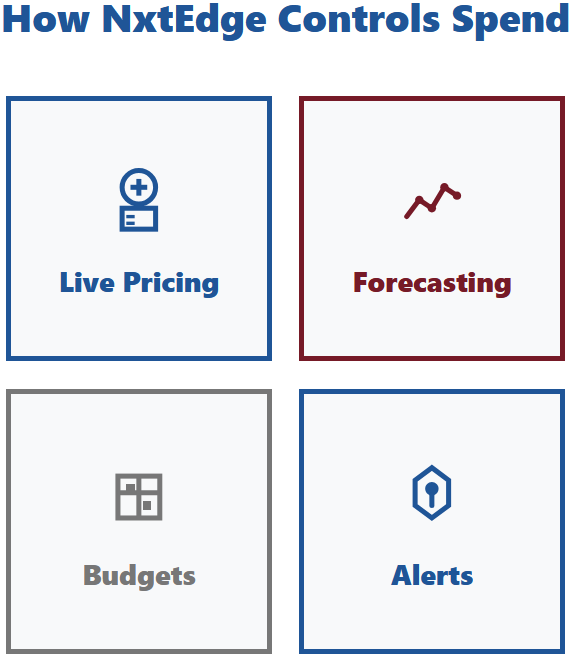
Live vendor pricing shows when costs rise
-
Usage-based forecasting prevents overstocking
-
Category budgets ensure operators stay on track
-
Over-budget alerts flag risky decisions in real time
-
Inventory integration prevents duplicate or unnecessary orders
-
One-click vendor comparison finds hidden savings instantly
This is how operators keep food costs stable even when markets shift.
Key Takeaways
-
Overspending happens in small increments that add up fast.
-
Without real-time data, operators often order more than they need.
-
NxtEdge empowers teams to buy intentionally, stay in budget, and avoid cost surprises.
-
Preventing overspending is far easier than fixing it after the fact.
Bring control back into purchasing. Request your demo at NxtEdge.com.