
November 19, 2025
Learn When to Investigate Waste and Spoilage

Waste and spoilage happen in every restaurant — but knowing when to investigate it is what separates operators who protect their margins from those who lose thousands without realizing it.
Waste is often hidden inside daily prep, portioning, and storage routines. Spoilage tends to show up quietly during inventory counts or invoice cycles. Together, they directly inflate your food cost and distort your margins if not addressed quickly.
The goal isn’t to eliminate waste entirely — it’s to identify when it signals a deeper operational issue.
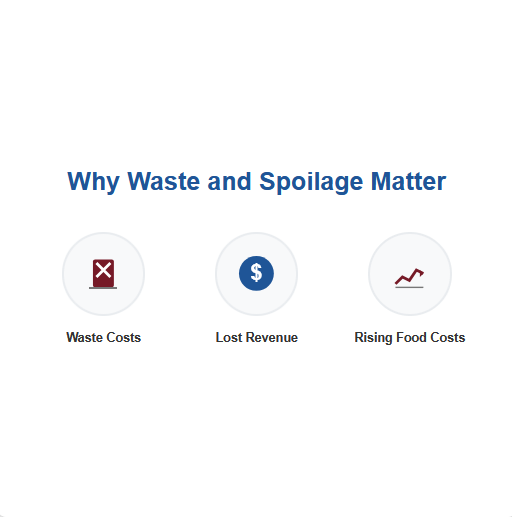
Why Waste and Spoilage Matter
Even small amounts add up quickly:
-
2 pounds of produce wasted per day
-
A tray of proteins spoiled unexpectedly
-
A case of dairy expiring early
-
Unrecorded prep waste during rush hours
Over time, these inconsistencies result in:
-
Higher food cost percentage
-
Inaccurate COGS
-
Over-ordering
-
Misaligned recipe costing
-
Lower profitability
Loss doesn’t show up on the P&L as “waste.” It appears as rising food cost — and without investigation, you never know why.
Key Moments When You Should Investigate
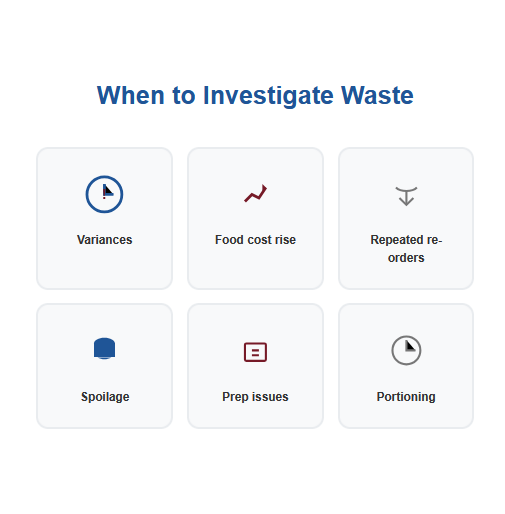
Operators should look deeper whenever they notice:
1. Variances Between Expected and Actual Inventory
If your inventory counts differ from what the system predicts, it often means:
-
Unrecorded waste
-
Prep mistakes
-
Spoilage
-
Shrinkage
-
Portion inconsistencies
Even a small variance is a red flag.
2. Rising Food Cost Percentage Without Sales Changes
If sales stay steady but food cost rises, waste is often the cause.
3. Frequent Re-orders of the Same Ingredients
If you’re buying more than usual without menu changes, investigate storage and shelf life.
4. Spoilage During Receiving or Storage
Poor rotation, incorrect temp logs, or storage practices often surface here.
5. Prep Teams Reporting “We Don’t Have Enough”
This usually means:
-
Over-prepping
-
Waste during prep
-
Incorrect yields
-
Ignoring batch recipe standards
6. Dish Portioning Looks Inconsistent
Inconsistent portioning drives predictable and repeated waste — especially for proteins and high-cost items.
How Automation Helps You Detect Waste Earlier
Manual waste tracking is inconsistent and often incomplete.
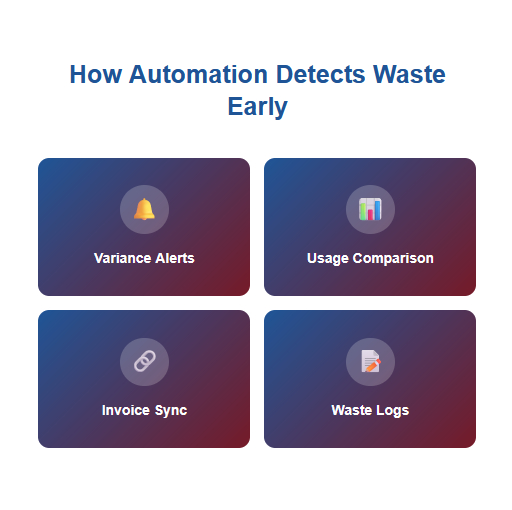
With automation, operators gain real-time visibility:
-
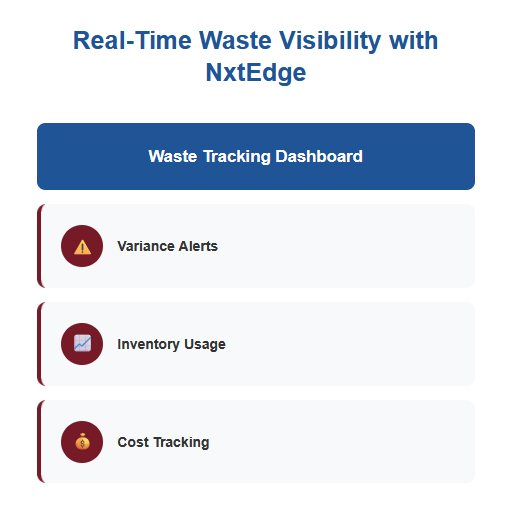
Variance alerts highlight unusual fluctuations as they happen
-
Recipe usage vs. actual usage reveals hidden loss
-
Invoice syncing ensures receiving errors don’t disguise spoilage
-
Live inventory counts expose trends before they become expensive
-
Waste logging tools keep teams accountable
Instead of finding problems at month-end, automation helps you catch them daily.
The NxtEdge Advantage
NxtEdge gives operators clarity and control over loss through:
-
Real-time variance detection
-
Recipe-level usage tracking
-
Inventory movement visibility
-
Automated waste and spoilage reports
-
Integrated purchasing and costing data
When waste appears, you know where to look — and how to fix it.
Key Takeaways
-
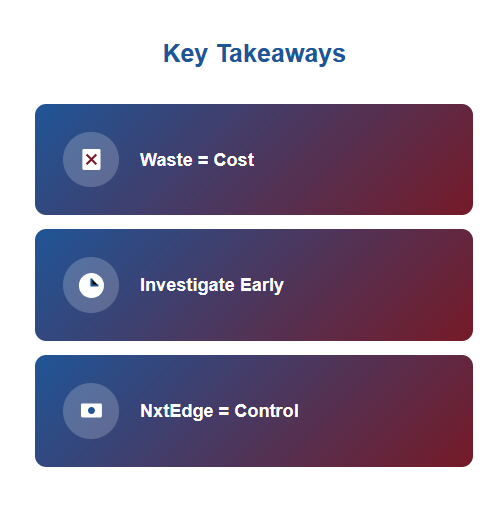
Waste and spoilage are normal, but unchecked loss destroys margins.
-
Investigate whenever inventory, sales, or purchasing data doesn’t align.
-
Automation helps operators see hidden issues faster and take action sooner.
-
NxtEdge centralizes waste visibility so you always know where costs are leaking.