
March 11, 2026
Learn the Key Features of Restaurant Cost Control Software
Restaurant profitability depends on how effectively operators manage purchasing, expenses, and inventory. As food and beverage costs continue to fluctuate, restaurants need better visibility into operational spending and product usage.
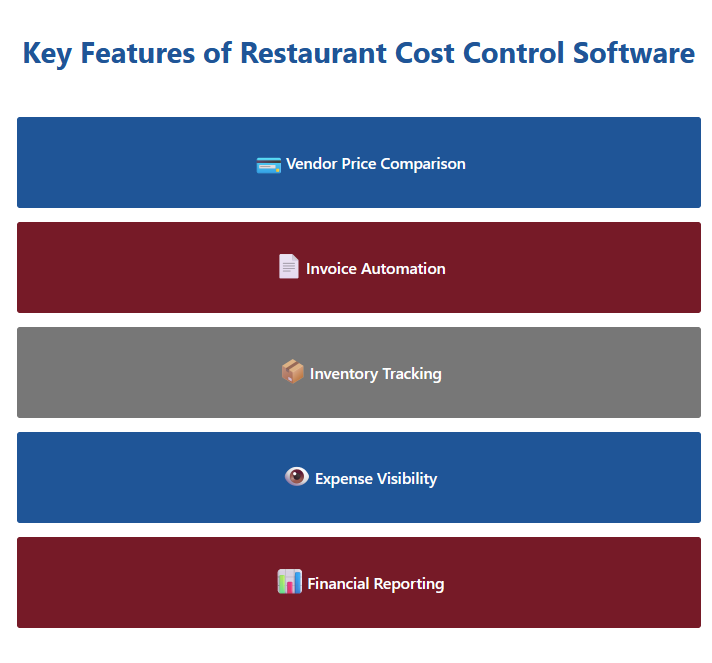
Restaurant cost control software provides that visibility by connecting purchasing, invoices, inventory tracking, and financial reporting into one operational system.
Understanding the key features of restaurant cost control software helps operators identify the tools that will best support their operational workflow and protect margins.
Vendor Price Comparison
One of the most valuable features of restaurant cost control software is vendor price comparison.
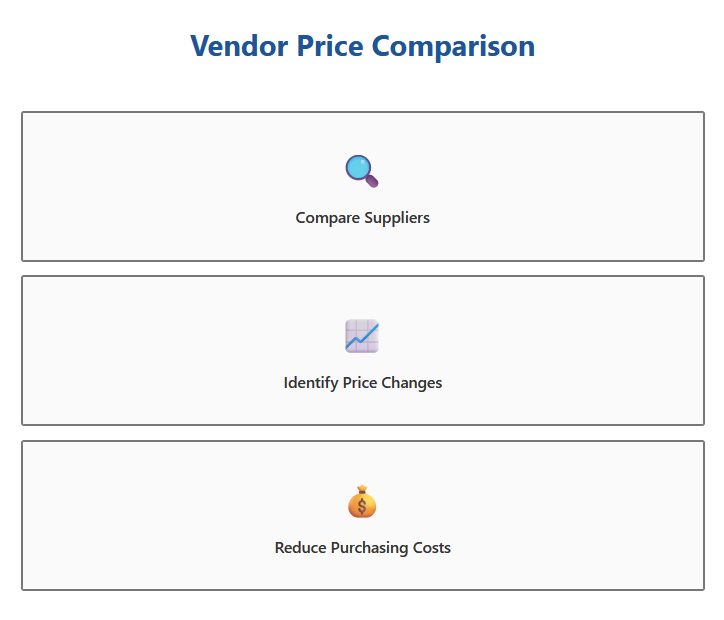
Restaurants often work with multiple suppliers, and prices for the same products can vary significantly between vendors. Without a way to compare pricing consistently, operators may unknowingly purchase items at higher costs.
Vendor price comparison allows operators to review supplier pricing side by side, making it easier to identify cost-saving opportunities and choose the best vendor for each product.
This feature helps restaurants maintain better control over purchasing decisions and reduce unnecessary spending.
Invoice Automation
Invoice processing is one of the most time-consuming administrative tasks in restaurant operations.
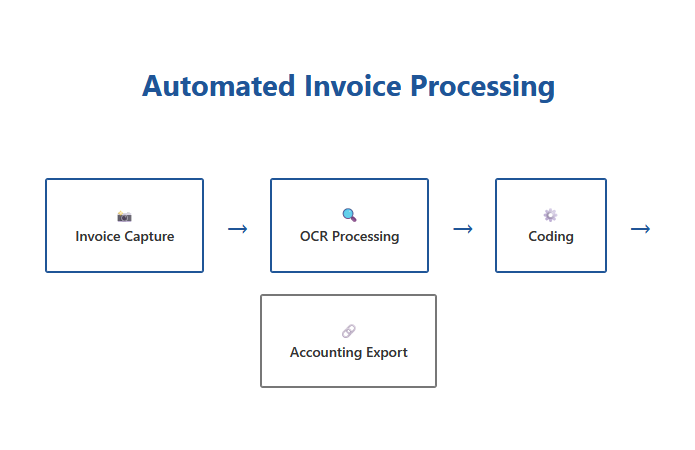
Restaurant cost control software simplifies this process through invoice automation. Using OCR (optical character recognition) technology, invoices can be scanned, captured, and processed automatically.
The system extracts key information from invoices, including vendor details, products, quantities, and pricing. These invoices can then be organized, coded, and exported directly to accounting systems.
Automating invoice management reduces manual data entry, improves financial accuracy, and keeps financial records organized.
Inventory and Usage Tracking
Inventory management is another critical feature of restaurant cost control software.
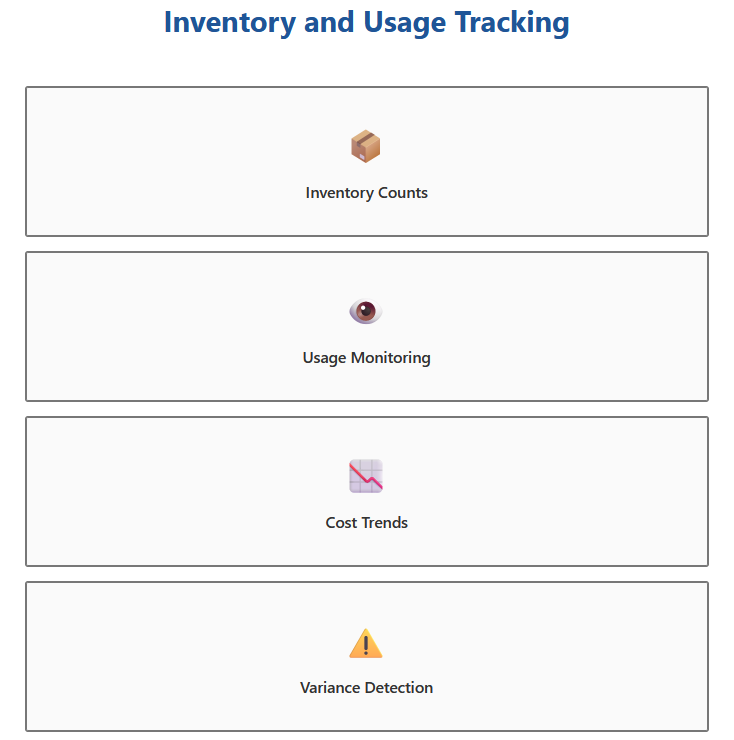
Inventory tracking allows operators to monitor product counts, usage patterns, and cost trends across the operation. When inventory data is connected with purchasing activity and sales data, restaurants gain deeper insight into how products are being used.
This visibility helps operators identify inventory variances, monitor food cost percentages, and detect potential waste or over-ordering.
By understanding how products move through the operation, restaurants can make more informed purchasing decisions and maintain stronger cost control.
Why These Features Matter
Each of these features contributes to a broader goal: giving operators better visibility into how their restaurants spend money.
When purchasing, invoices, and inventory data are connected, management teams can see the full financial picture. This visibility makes it easier to monitor operational performance and respond quickly when costs begin to increase.
Restaurant cost control software helps transform operational data into actionable insights that support better decision-making.
Key Takeaways
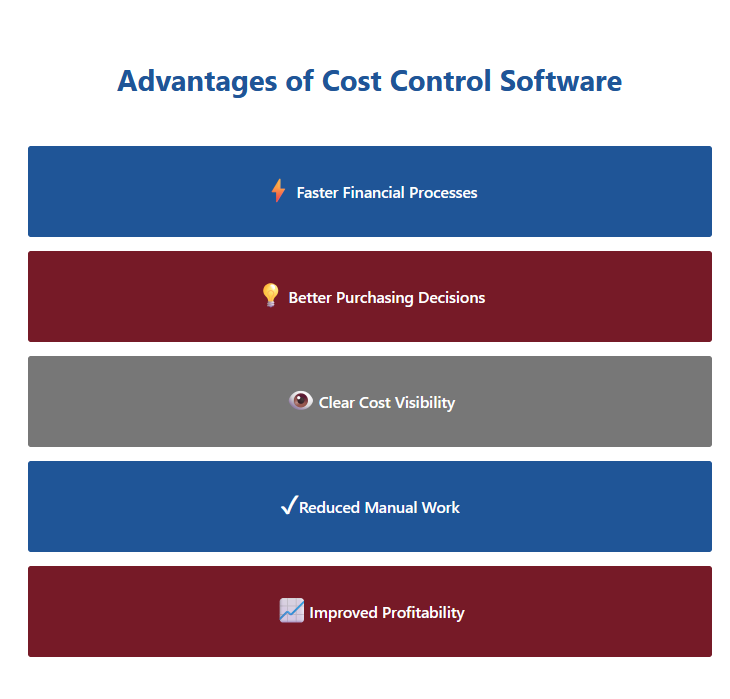
• Faster invoice processing
• Improved vendor pricing visibility
• Accurate inventory tracking
• Reduced manual administrative work
• Better financial insight into food and beverage costs
Restaurant cost control software provides operators with the tools needed to maintain consistent margins and improve operational efficiency.