
March 11, 2026
Learn How Restaurant Cost Control Software Connects the Entire Workflow
Restaurant operations involve multiple systems and processes that directly affect profitability. Purchasing, invoices, inventory management, and accounting are often handled separately, creating operational inefficiencies and limiting visibility into costs.
When these systems operate independently, operators struggle to understand how purchasing decisions impact inventory levels, expenses, and financial performance.
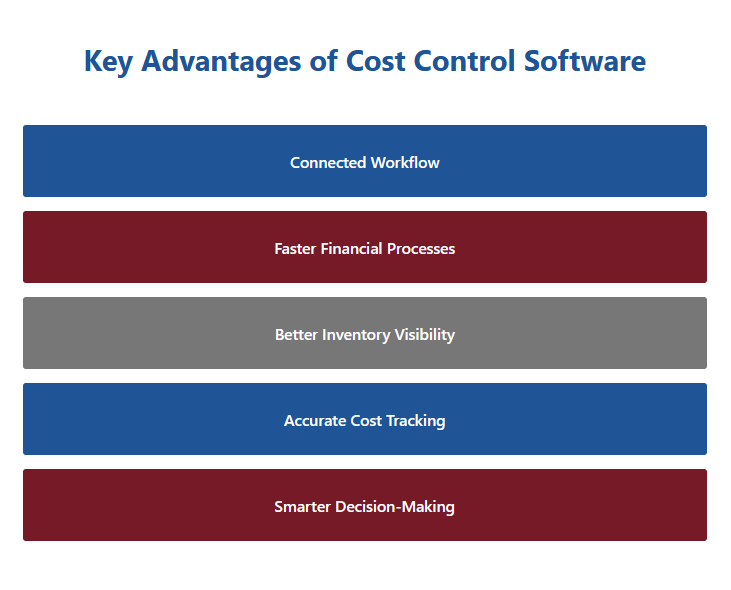
Restaurant cost control software connects these processes into a single operational workflow so restaurants can manage spending, monitor product usage, and improve financial accuracy.
By integrating purchasing, invoice management, inventory tracking, and financial reporting, operators gain the visibility needed to control food and beverage costs more effectively.
Connecting Vendor Pricing and Purchasing
Cost control begins with purchasing. Restaurants need clear visibility into vendor pricing to ensure they are buying products at the best available cost.
Many restaurants work with multiple suppliers, and prices for the same items can vary significantly between vendors. Without a system that tracks and compares pricing, these differences can go unnoticed.
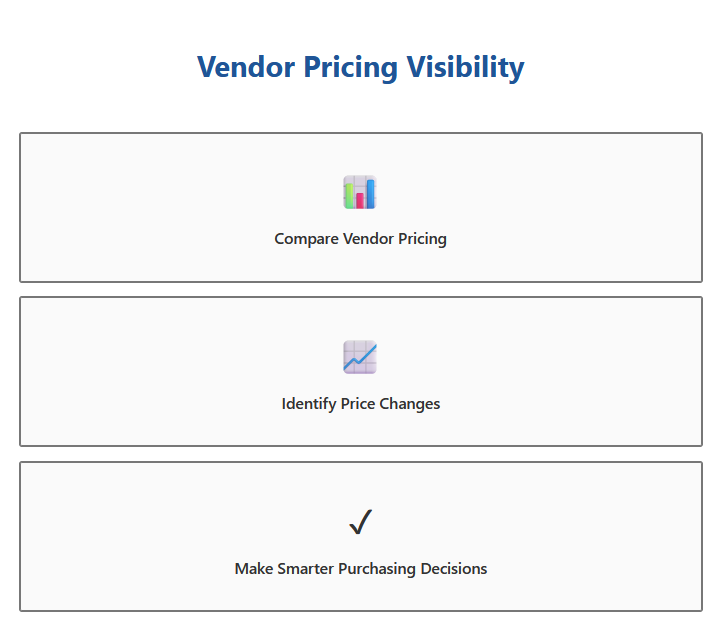
Restaurant cost control software allows operators to review vendor pricing, compare suppliers, and monitor price changes across products.
With this information, purchasing decisions are based on real data instead of assumptions, helping restaurants reduce food costs and prevent unnecessary spending.
Automating Invoice Processing
Invoices provide the financial record of purchasing activity. However, manually entering invoices into accounting systems can be time-consuming and prone to error.
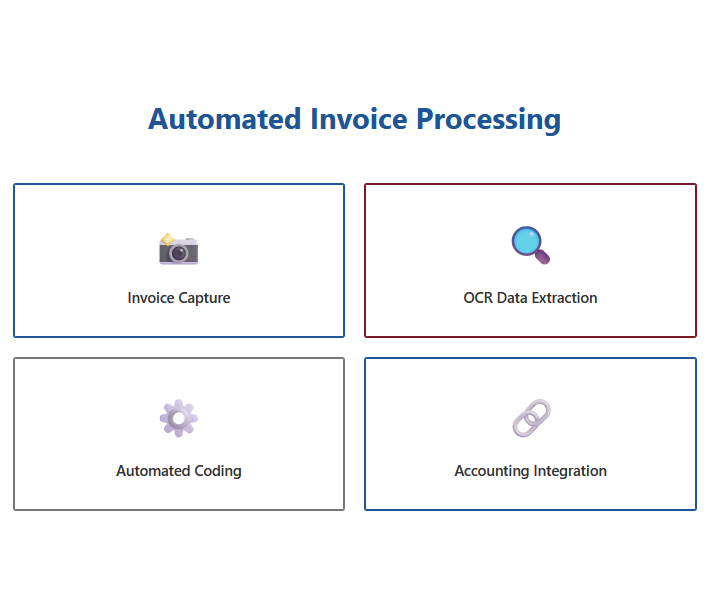
Restaurant cost control software automates invoice capture using OCR technology, allowing invoices to be digitized, coded, and organized automatically.
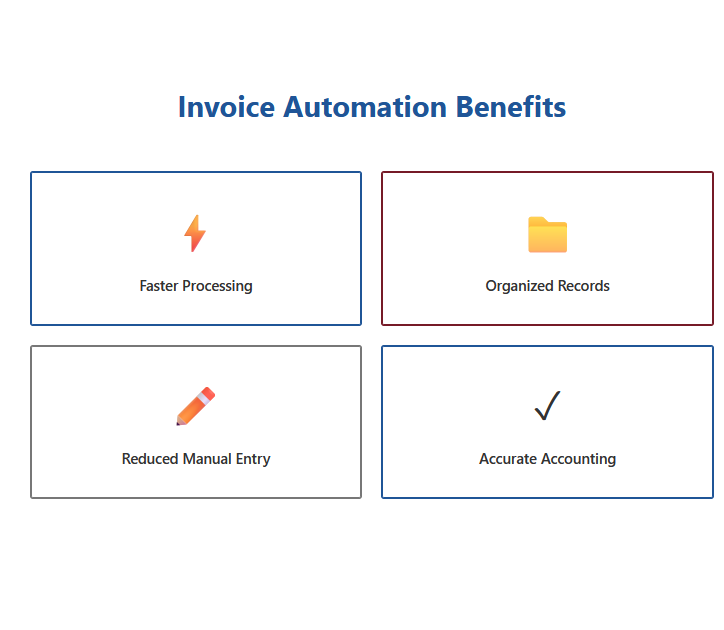
Automated invoice processing improves accuracy and ensures that financial data is recorded consistently. It also reduces administrative workload, freeing up managers to focus on operational priorities.
Linking Inventory and Financial Reporting
Inventory management is essential for understanding cost of goods and identifying operational inefficiencies.
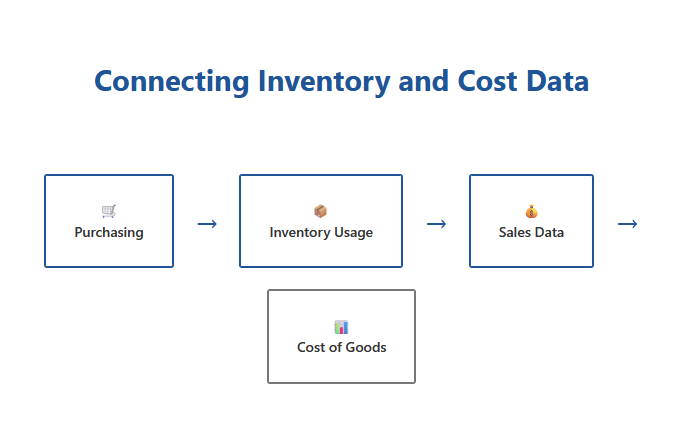
Restaurant cost control software connects inventory activity with purchasing and sales data, allowing operators to see how products move through the operation.
This integrated visibility helps management teams:
Track ingredient usage
Identify inventory variances
Monitor cost of goods trends
Understand how purchasing impacts profitability
When inventory data is connected to financial reporting, restaurants gain a clearer understanding of their operational performance.
Why Workflow Integration Matters
Cost control becomes significantly easier when operational systems are connected.
Instead of managing multiple disconnected tools, restaurant teams can view purchasing activity, invoices, inventory data, and financial reports in one platform.
This unified workflow improves efficiency, reduces errors, and allows operators to make faster and more informed decisions.
Restaurant cost control software provides the operational structure needed to maintain consistent margins and improve financial control.
Key Takeaways
• Unified purchasing and invoice workflow
• Reduced administrative workload
• Improved inventory visibility
• Accurate financial reporting
• Better operational decision-making
Restaurant cost control software helps operators bring structure and transparency to the processes that drive food and beverage costs.